
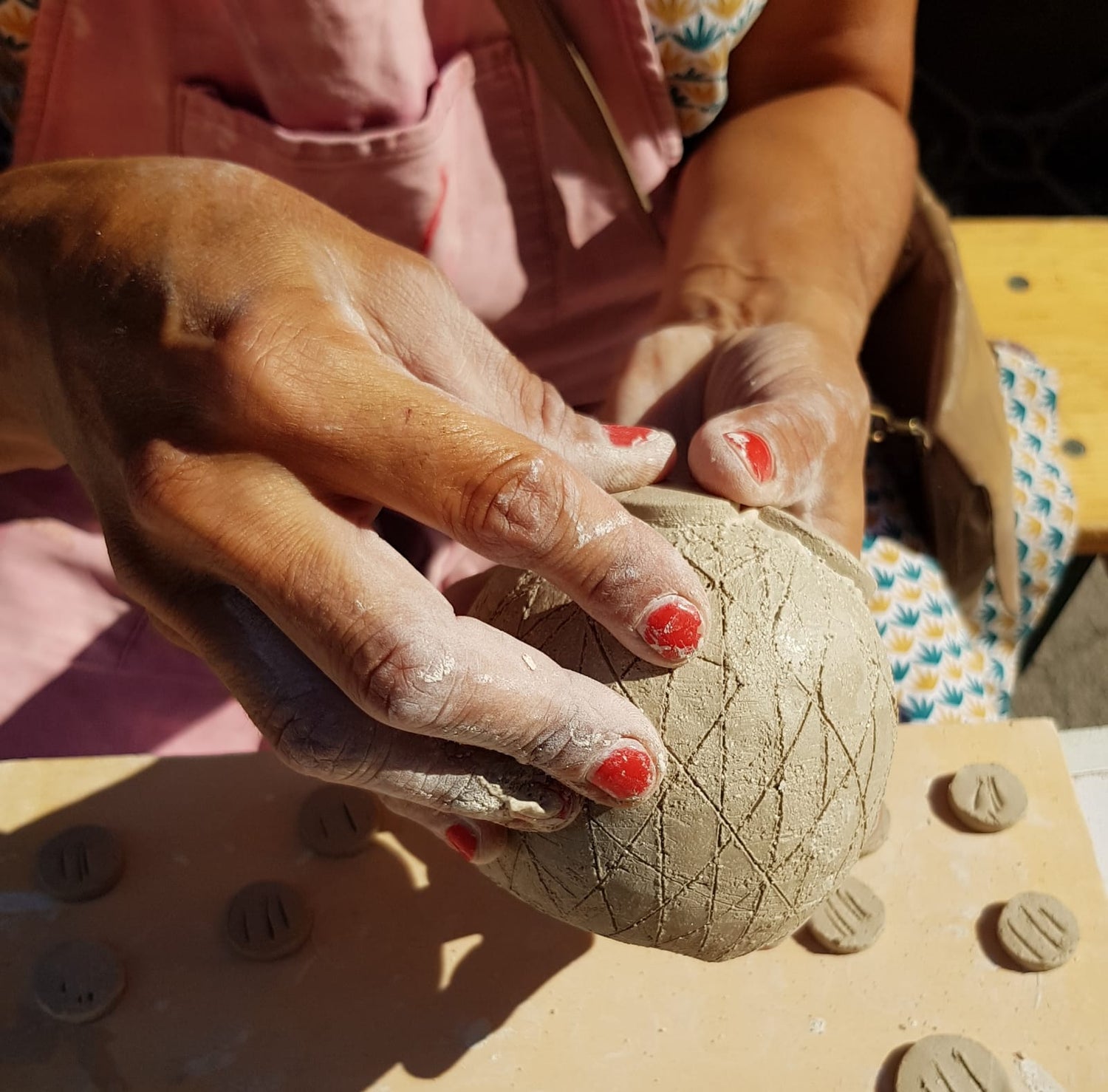
RAKU
L’origine…
Il raku è una tecnica d cottura di origine giapponese, nata in sintonia con lo spirito zen, in grado di esaltare l’armonia
delle piccole cose e la bellezza nella semplicità e nella naturalezza delle forme.
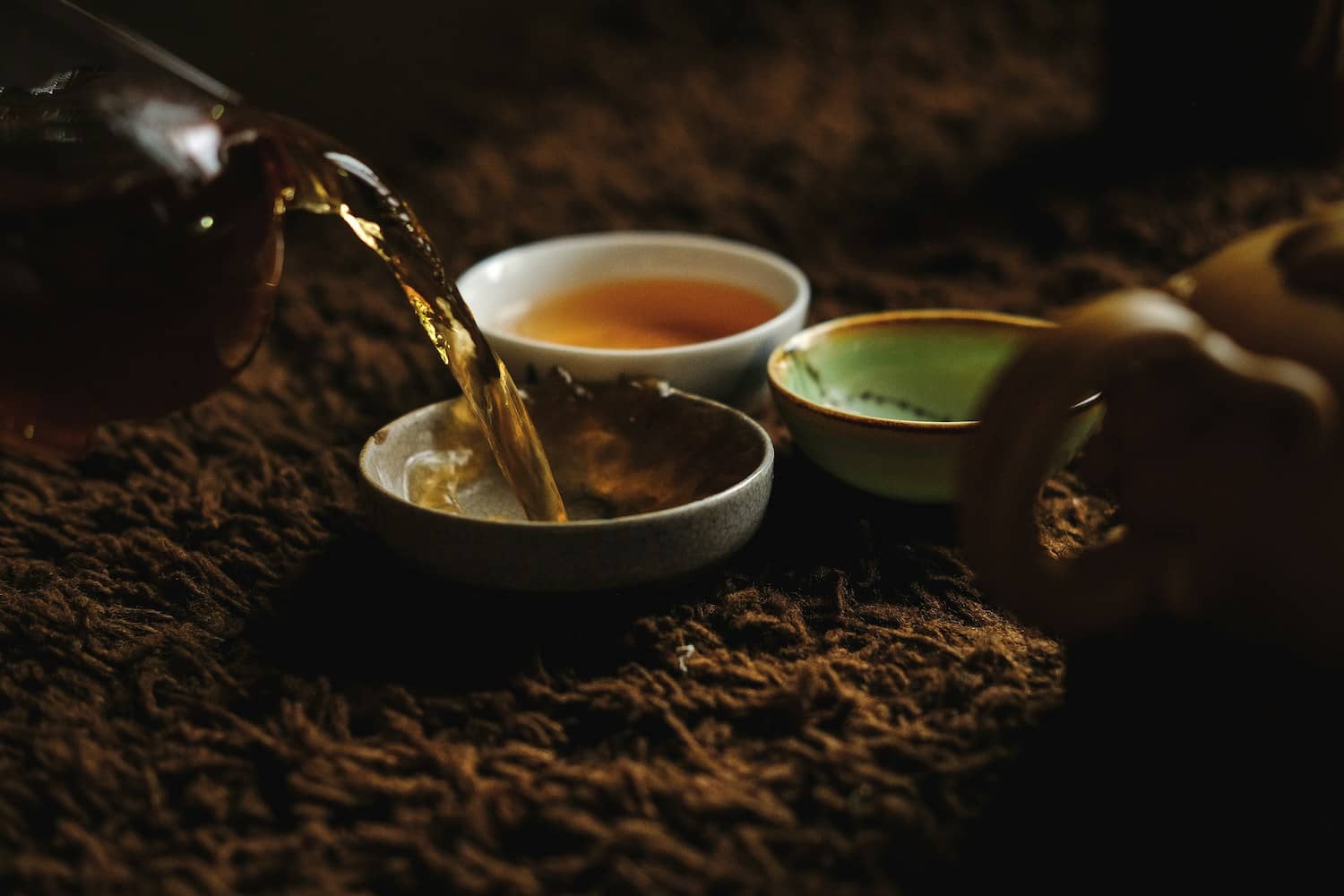
L’origine del raku è legata alla cerimonia del tè, un rito,
realizzato con oggetti poveri, incentrato sulla tazza che gli ospiti si scambiavano. La sua dimensione era tale da poter essere contenuta nel palmo della mano.
L'inventore
L’invenzione della tecnica raku è
attribuita ad un artigiano coreano addetto alla produzione di tegole, dell’epoca Momoyama (XVI secolo d.C.), Chojiro Tanaka, che la sviluppò per facilitare la fabbricazione delle ciotole per la cerimonia del tè.

Significato
Il termine giapponese raku significa “comodo, rilassato, piacevole, gioia di vivere“, e deriva dal sobborgo di Kyōto nel quale era estratta l’argilla nel sedicesimo secolo.
La Cottura
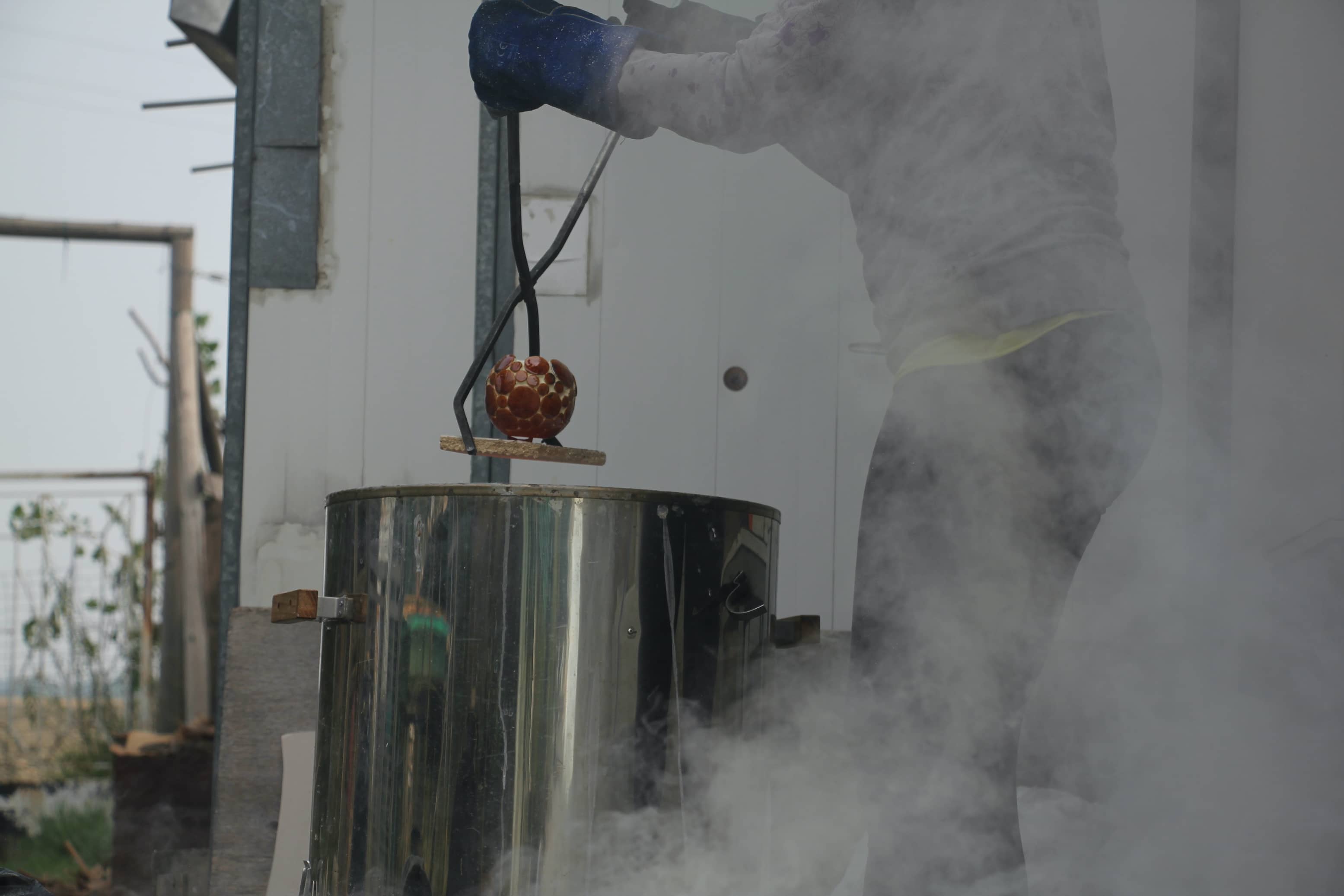
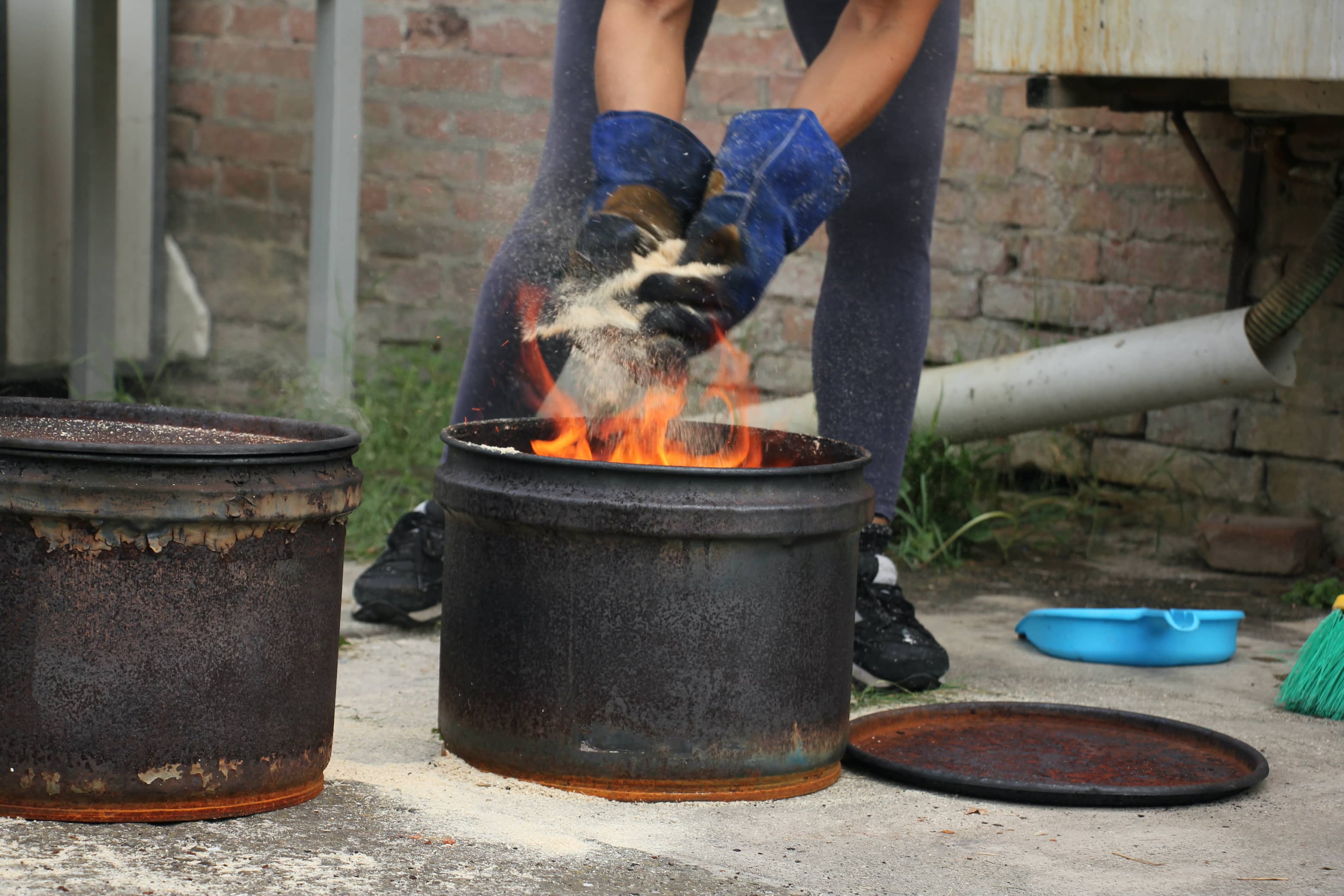
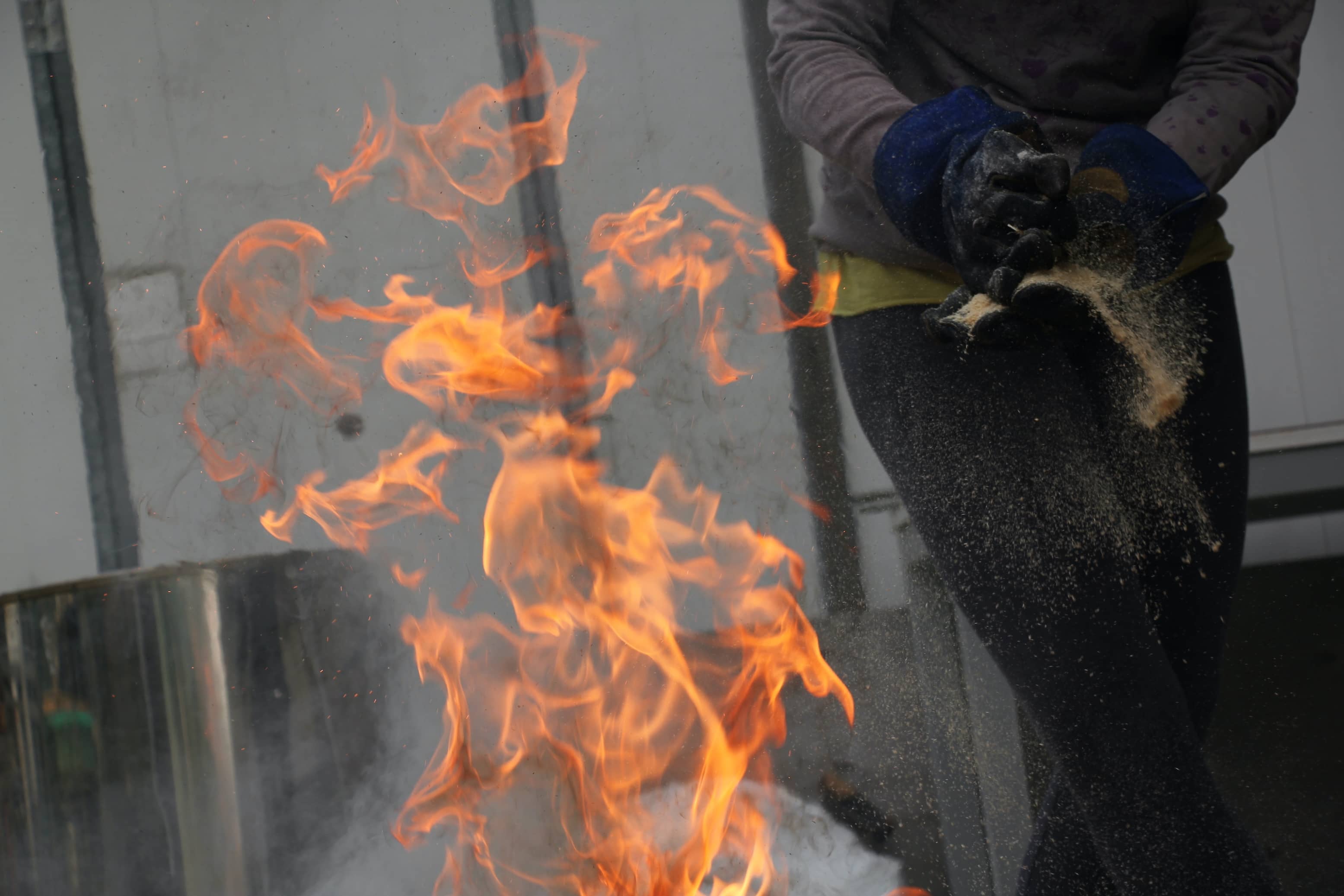
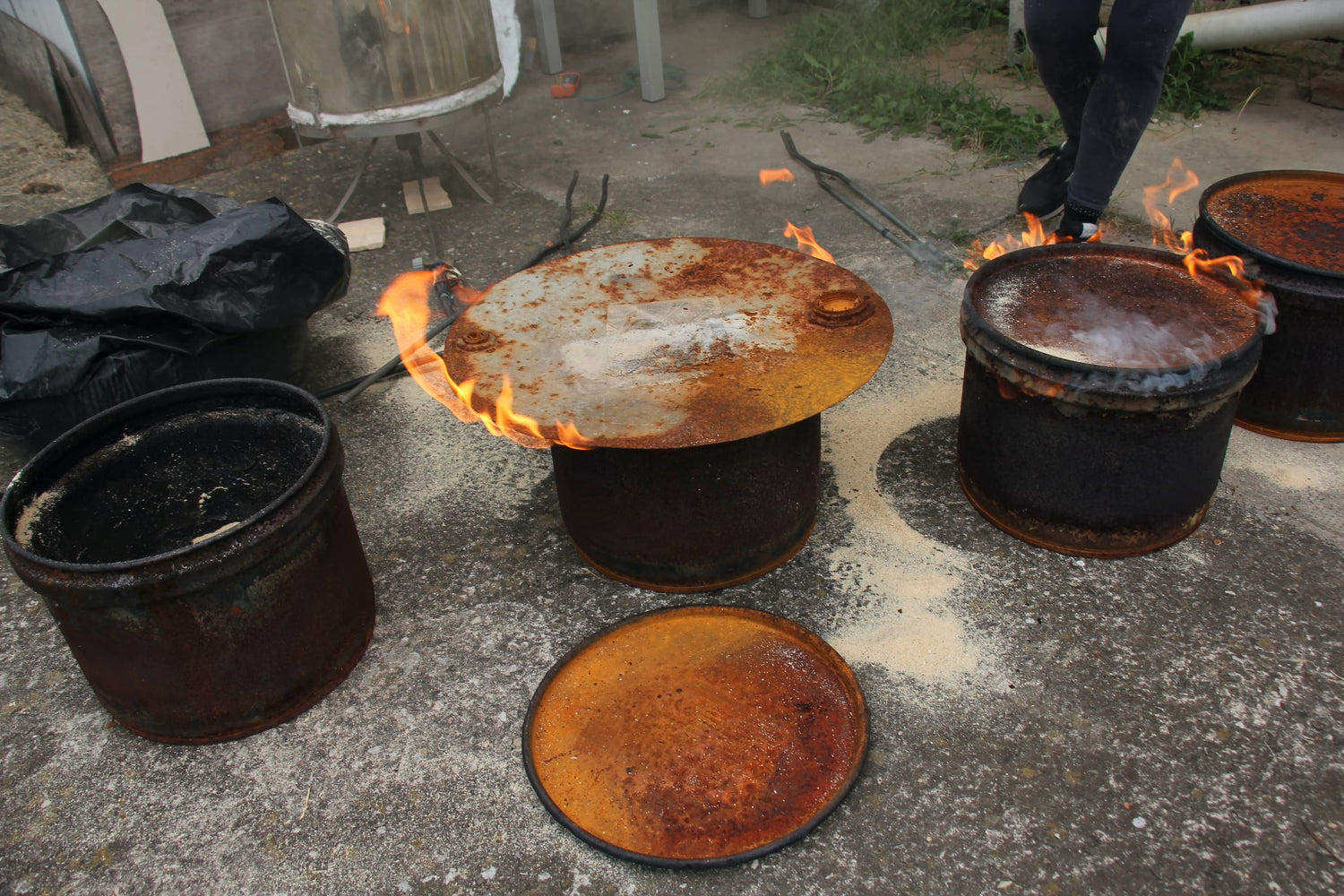
La cottura raku viene effettuata in un apposito forno, a pozzetto,in fibre ceramica leggera, dove la temperatura raggiunge 940 °C. Arrivati a questa temperatura il coperchio viene aperto e l’oggetto viene preso attraverso apposite pinze e immediatamente depositato in bidoni su cui viene gettata segatura.L’oggetto viene poi estratto nuovamente dal contenitore e immerso nell’acqua, dopo di che viene pulito per eliminare i segni della combustione
Il Risultato
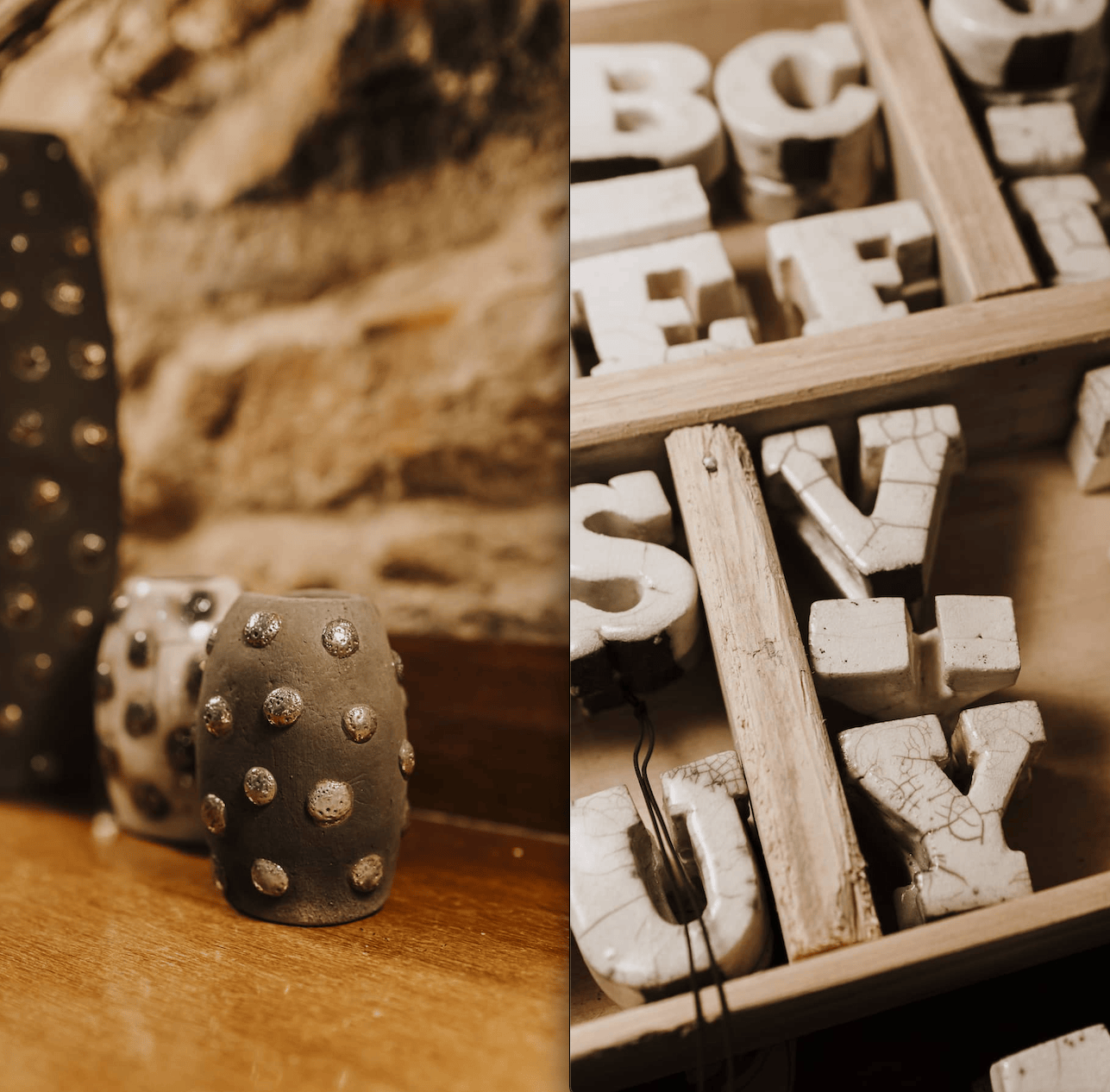
Riflessi metallici unici ed inaspettati che si formano in assenza totale o parziale di ossigeno ed un craquelè irripetibile che viene magicamente colorato dal fumo prodotto dal materiale combustibile.